Prompt & Effective Wasp & Hornet Control Services in Southern NH & Northern MA
Seeing wasps flying around your home, hearing buzzing in the walls, or spotting a nest near your roofline? You may be dealing with wasps or hornets—and they can be aggressive and dangerous if not handled professionally.
At Identify Pest Control, we provide safe, reliable wasp and hornet removal services throughout Southern New Hampshire and Northern Massachusetts, eliminating nests and reducing the risk of painful stings.
Proudly Serving Southern NH & Northern MA
New Hampshire:
Epping, Exeter, Raymond, Derry, Salem, Manchester, Nashua, Concord, Portsmouth, Dover, Londonderry, Plaistow, Newton, Kingston, Atkinson & surrounding towns
Massachusetts:
Andover, North Andover, Lawrence, Haverhill, Lowell, Methuen, Billerica, Chelmsford, Amesbury, Salisbury, Newburyport, Merrimac, Georgetown, Lynn, Danvers, Peabody, Salem, Saugus & nearby areas
Signs You May Have
Wasps or Hornets
Wasps and hornets become especially noticeable during warmer months. Common warning signs include:
Increased wasp or hornet activity around your home
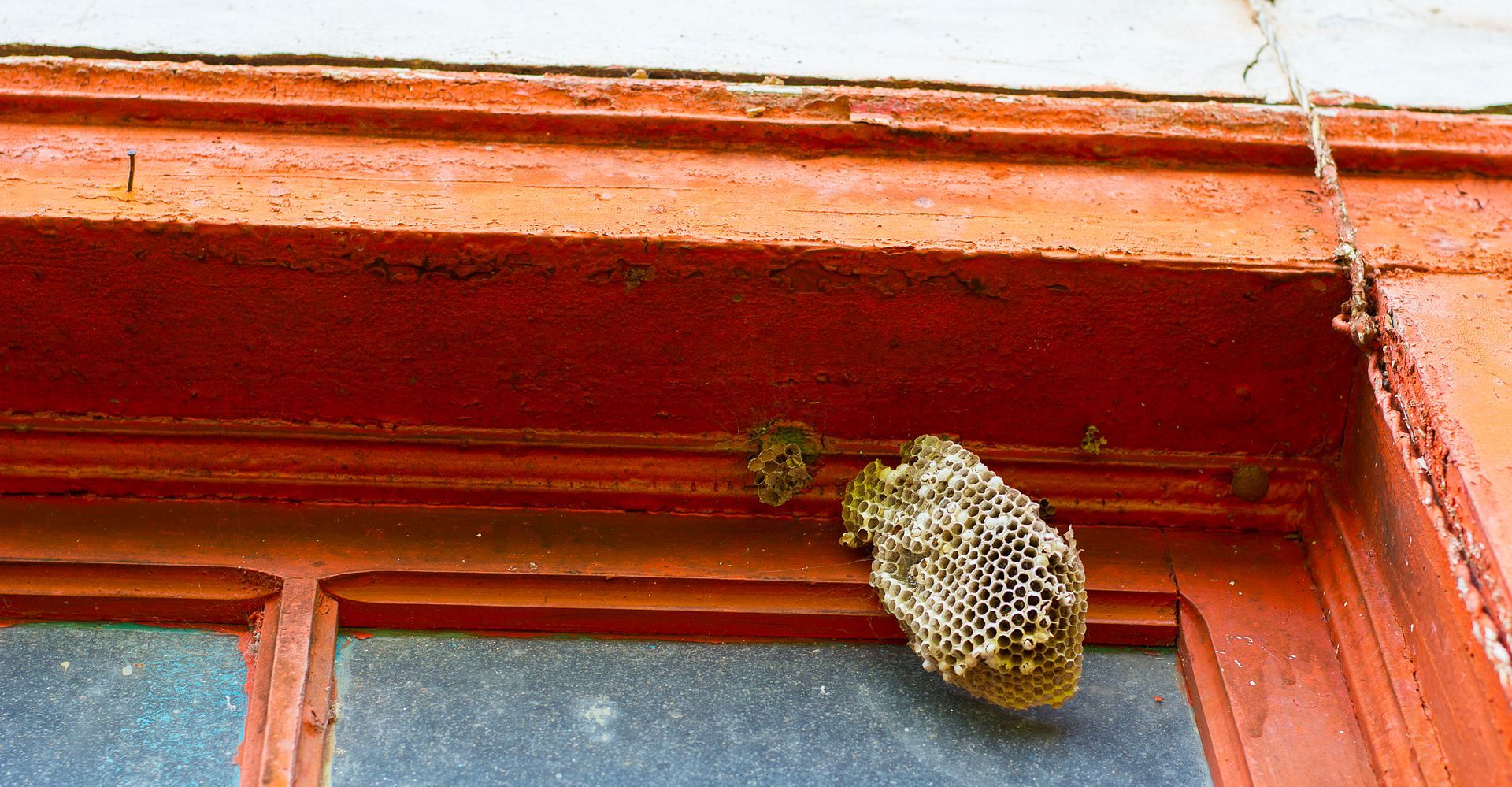
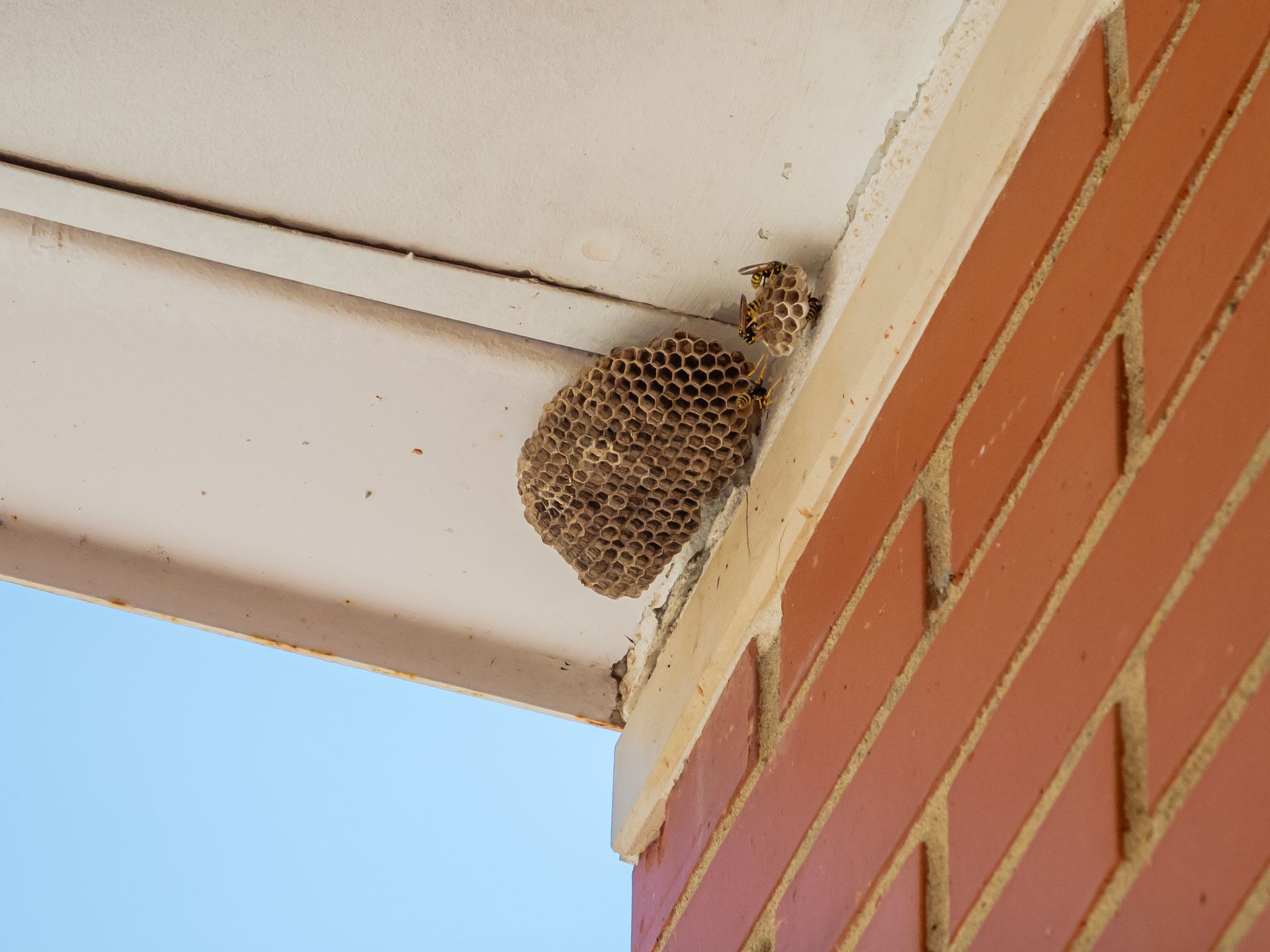
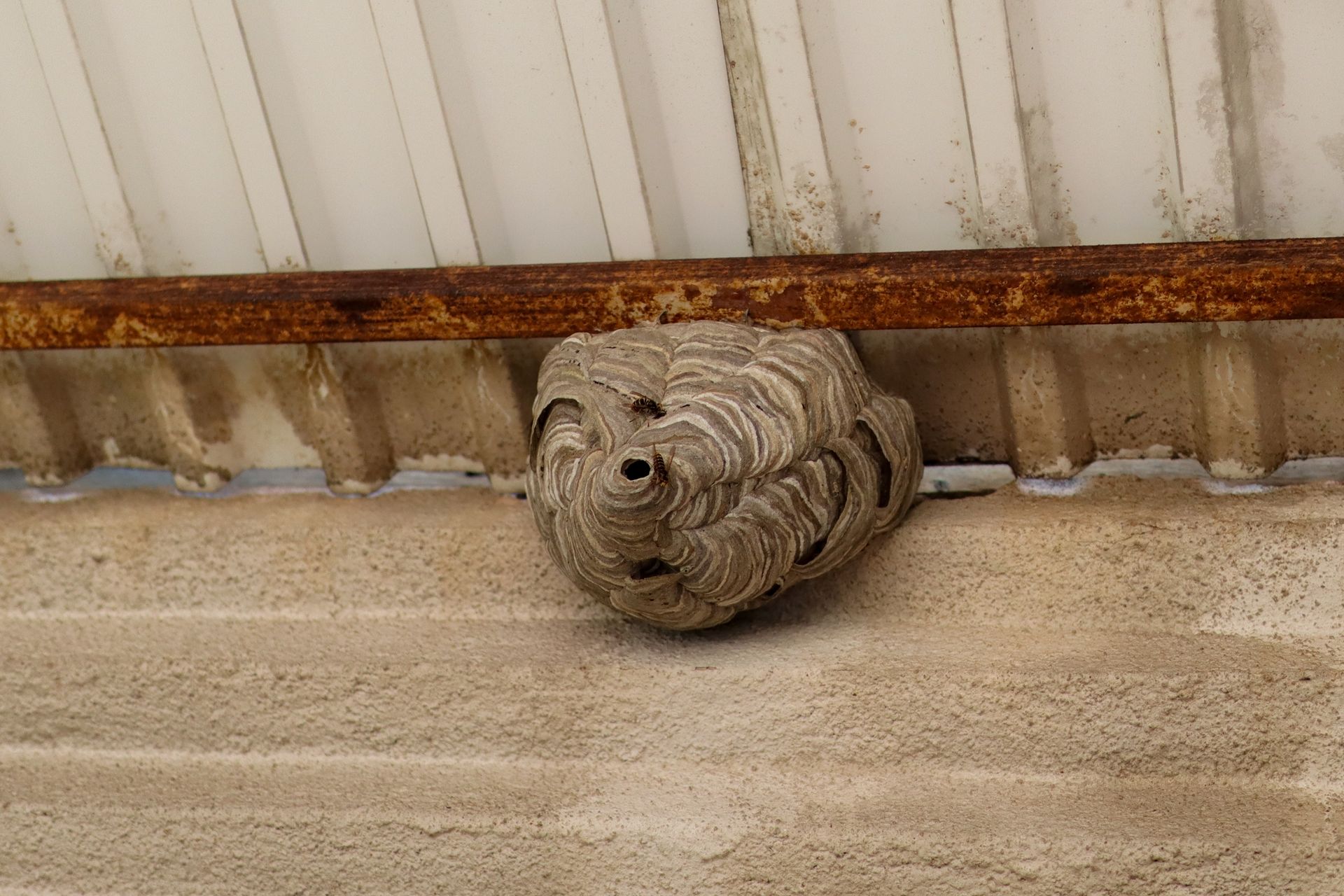
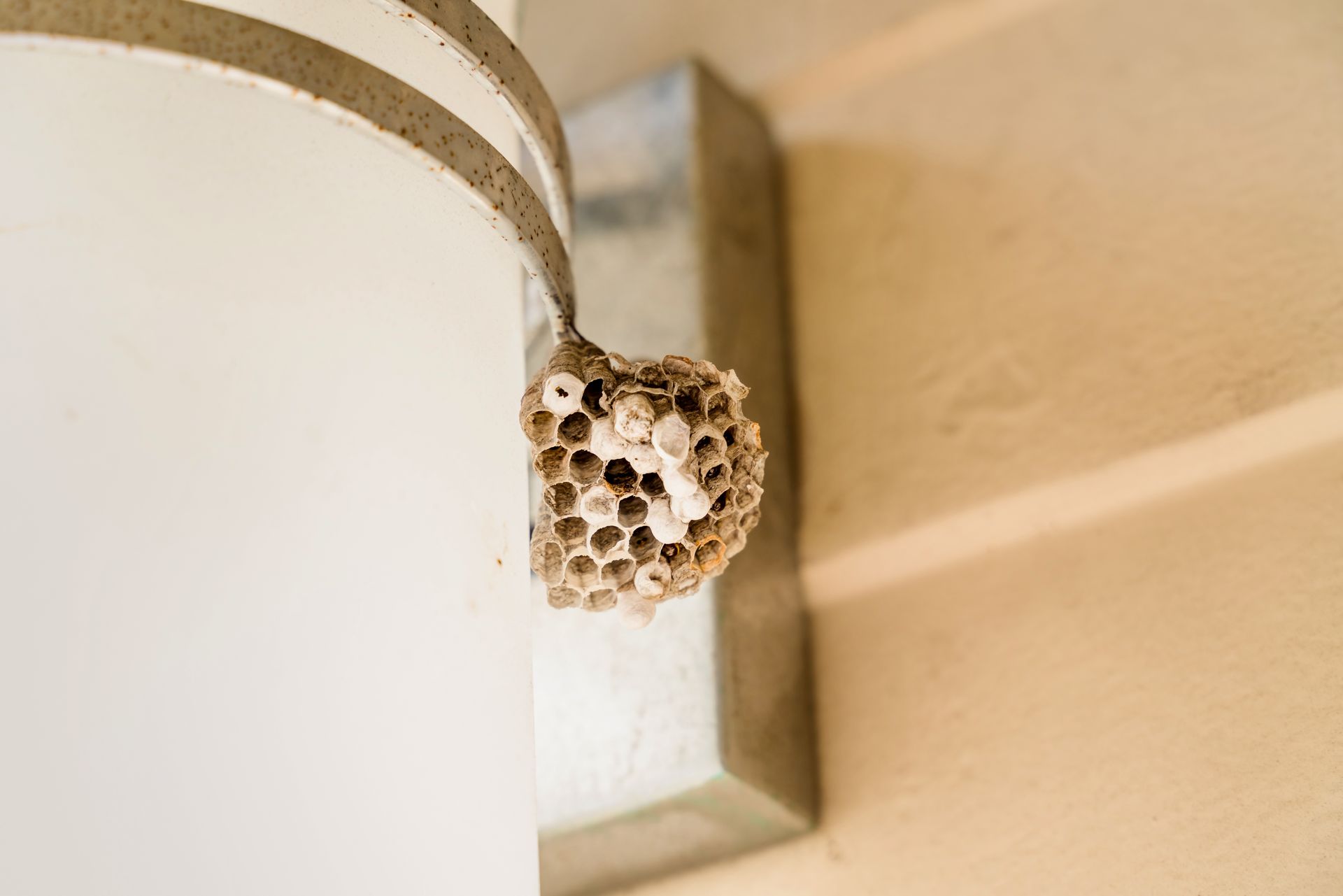
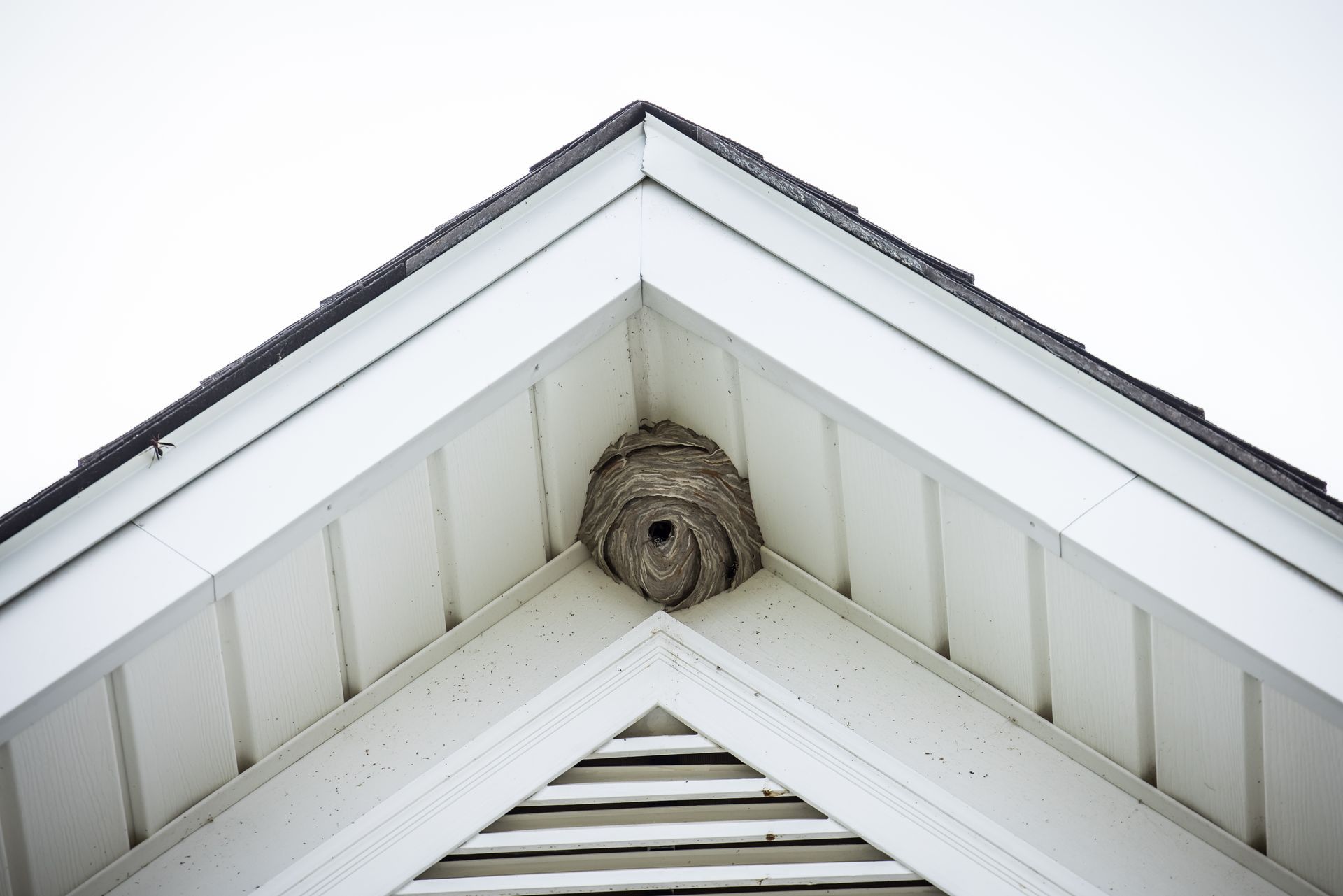
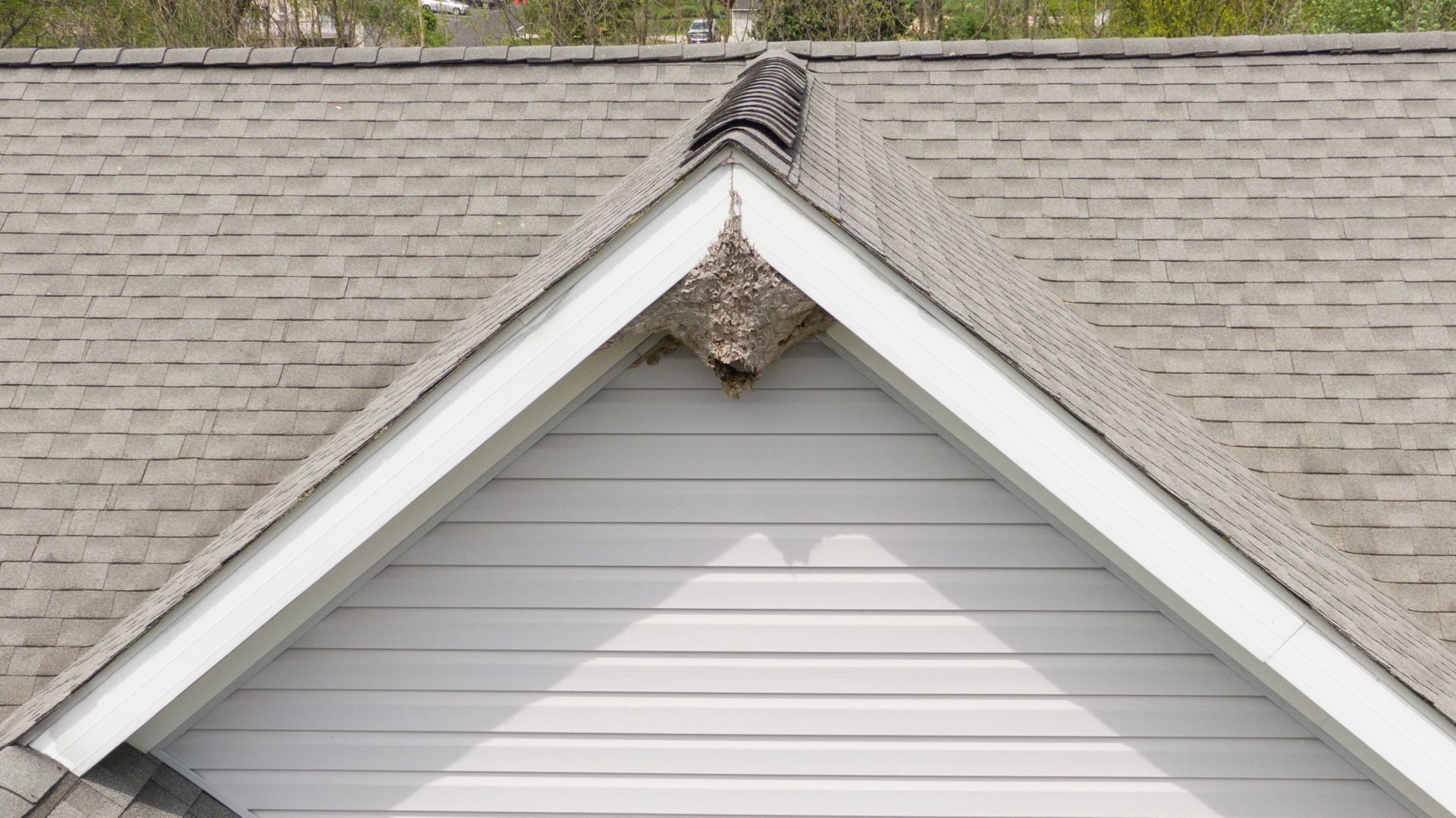
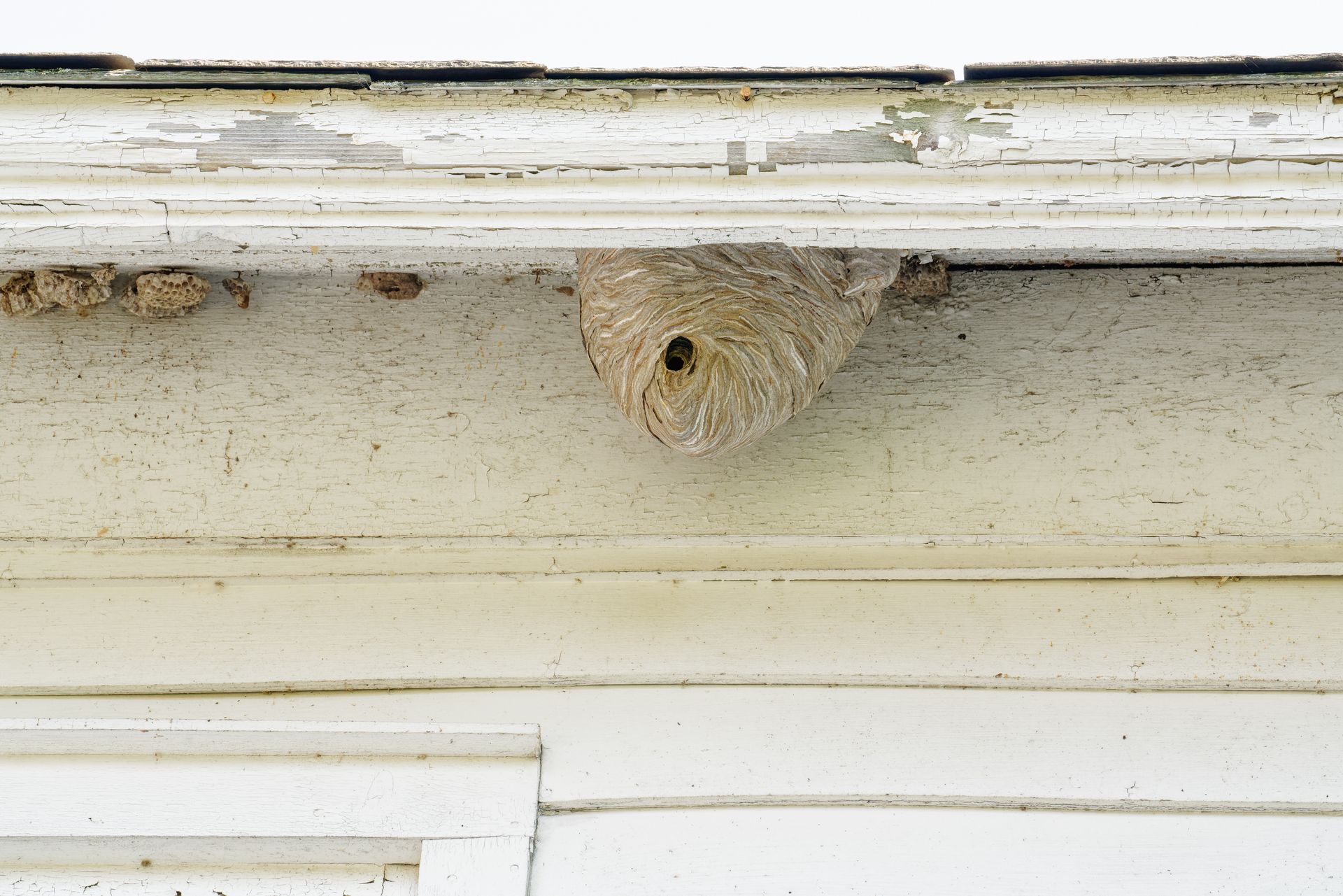
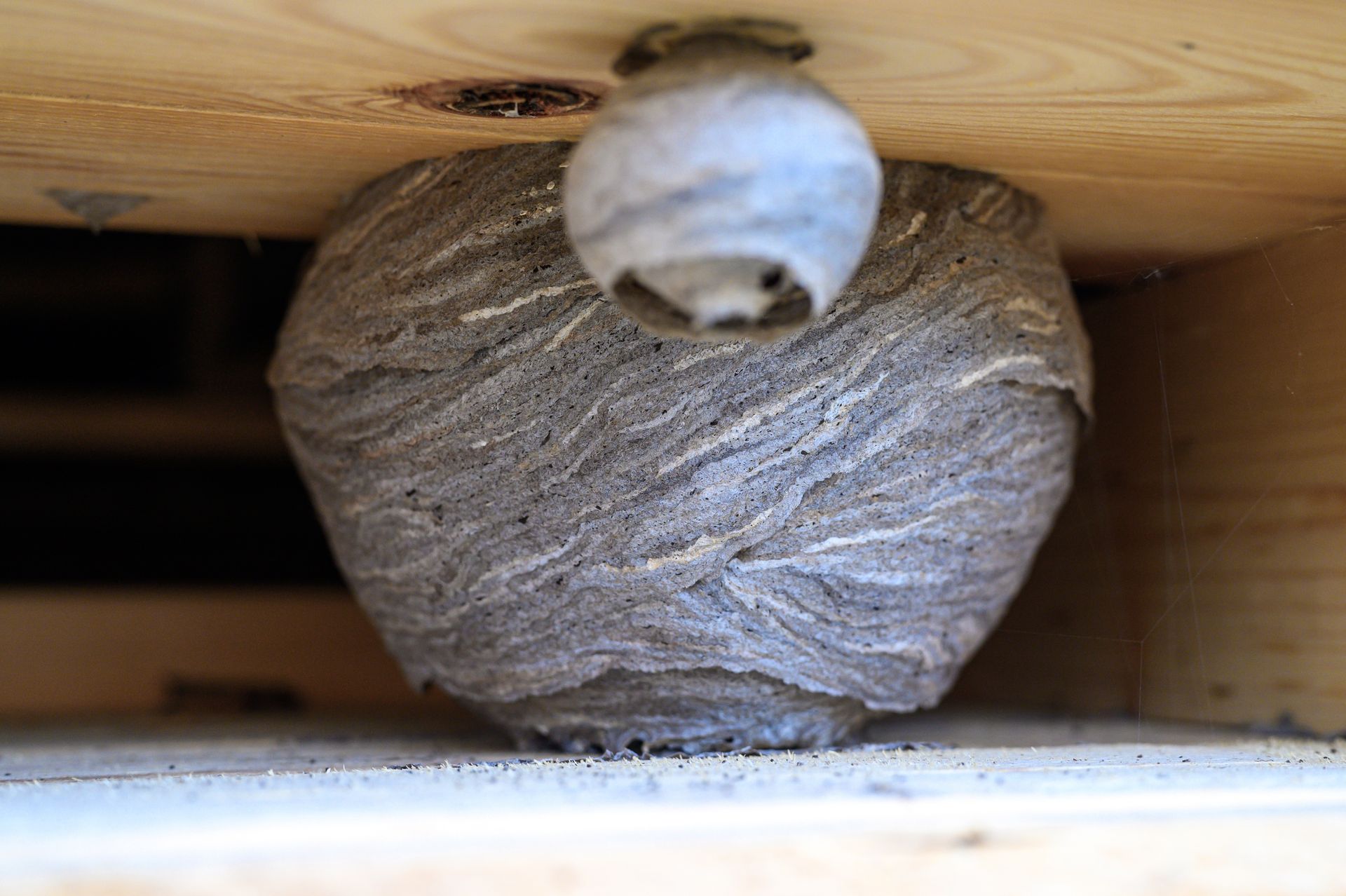
Visible nests attached to buildings, trees, or under eaves
Buzzing sounds coming from walls, ceilings, or attics
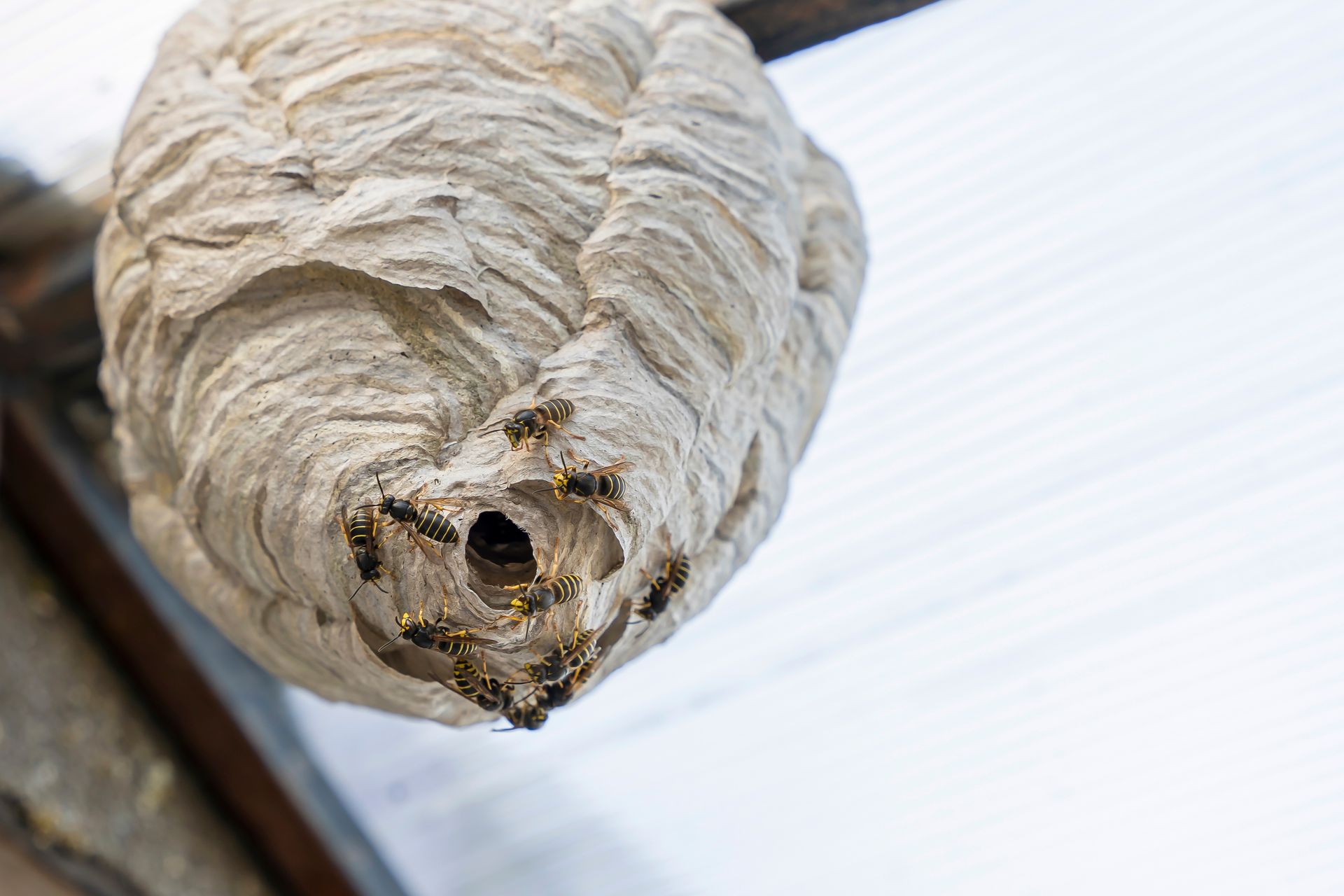
Wasps entering and exiting a single opening repeatedly
Aggressive behavior when approaching certain areas
If you notice these signs, it’s important not to disturb the nest—wasps and hornets can attack when they feel threatened.
Where Do Wasps and Hornets Nest?
Wasps and hornets build nests in protected or elevated areas. Common nesting locations include:
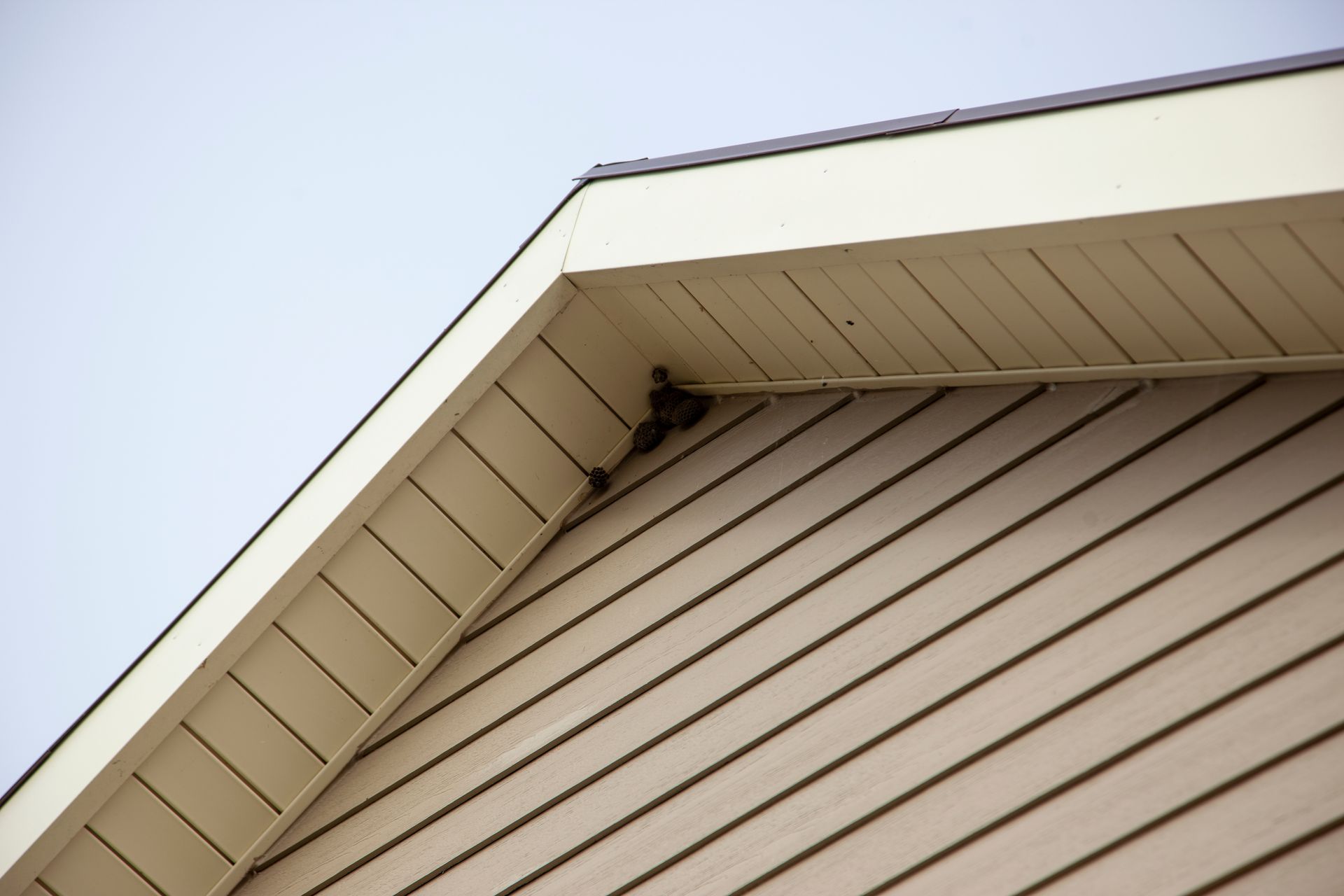
Roof eaves and soffits
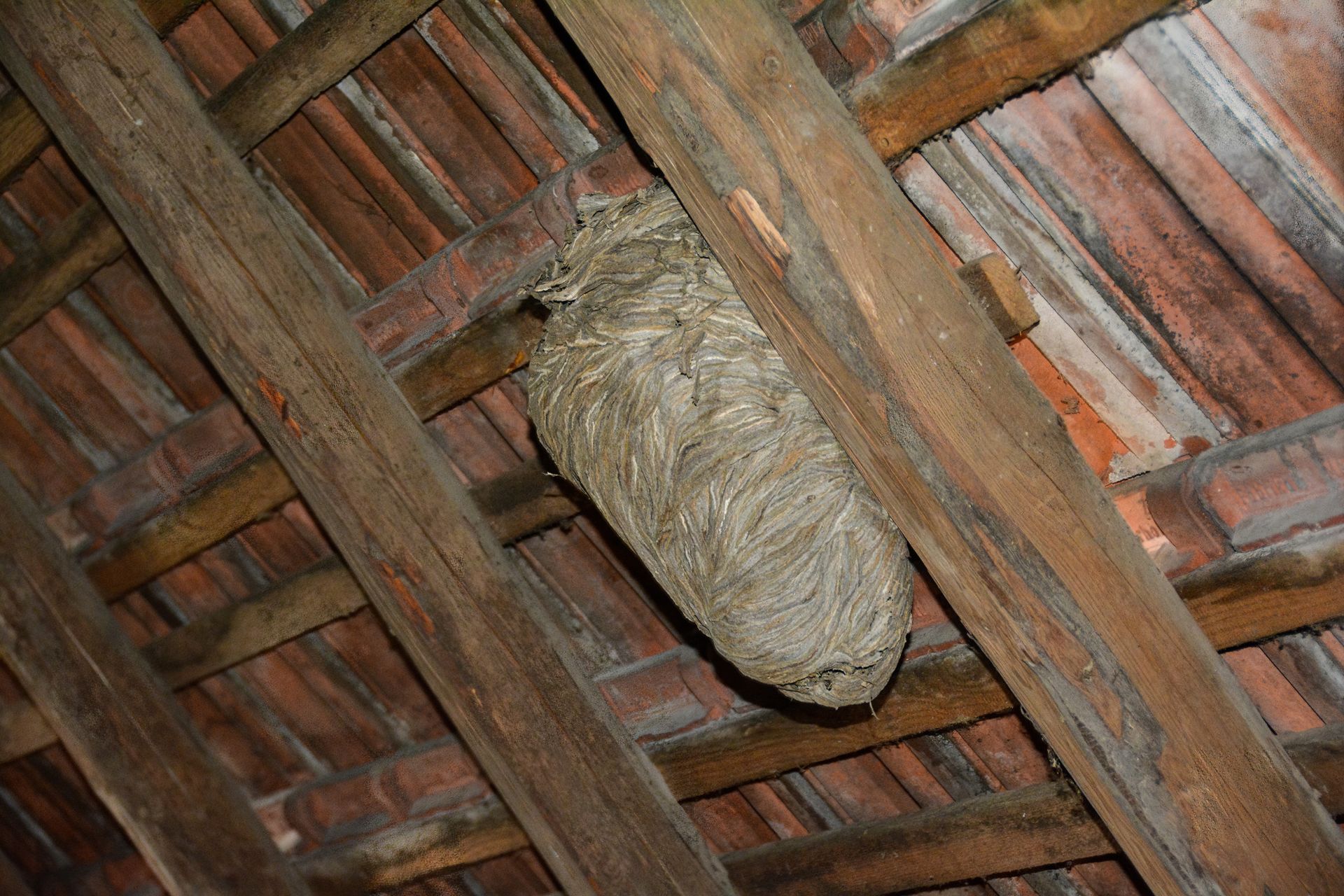
Attics and wall voids
Sheds, garages, and outbuildings
Trees, shrubs, and bushes
Under decks or porch roofs
Some species build exposed paper nests, while others nest inside structures, making professional removal essential.
Why Wasps and Hornets Are Dangerous
Wasps and hornets pose serious risks because:
They can sting multiple times
They aggressively defend their nests
Stings can cause severe allergic reactions
DIY nest removal often leads to attacks
Colonies grow larger as the season progresses
Attempting to remove a nest yourself can result in multiple stings and serious injury.
Our Wasp & Hornet Treatment Process
At Identify Pest Control, safety is our top priority.
1. Careful Inspection
We identify the species, nest location, and activity level.
2. Safe, Targeted Treatment Plan
We select the appropriate professional treatment based on nest type and location.
3. Nest Elimination
We safely eliminate active nests while minimizing risk to people and property.
4. Prevention Guidance
We provide recommendations to help reduce the chances of future nesting.
How Do Wasps and Hornets End Up Near Homes?
Wasps and hornets are attracted to properties that offer:
Sheltered nesting areas
Food sources (trash, pet food, outdoor eating)
Insects to prey on
Openings in siding, soffits, or roofs
Once established, colonies grow quickly and become more aggressive as summer progresses.
Why Choose Identify Pest Control?
We understand how dangerous and intimidating wasps and hornets can be—and we’re here to remove them safely and professionally.
What NOT to Do If You Have Wasps or Hornets
Avoid dangerous mistakes that could lead to injury:
- Don’t spray nests with store bought products
- Don’t knock down or disturb nests
- Don’t attempt removal at the wrong time of day
- Don’t ignore growing activity
- Don’t wait—early removal is safer and easier
Tips to Help Prevent Wasps and Hornets
- Seal gaps in siding, eaves, and soffits
- Keep trash cans tightly closed
- Avoid leaving food or drinks outdoors
- Remove small starter nests early (with caution)
- Schedule regular pest inspections
One Call Gets Rid Of Them All!
If wasps or hornets are nesting on your property, don’t risk getting stung.
Identify Pest Control provides safe, effective wasp and hornet control in Southern NH and Northern MA.
Call today for an inspection and protect your family and home.
Common Questions Wasp & Hornet FAQ for NH & MA Homeowners
When is wasp and hornet season in New Hampshire and Massachusetts?
Wasp and hornet colonies begin building nests in spring and grow throughout the summer. Late summer and early fall — August through October — are the most dangerous months in NH and MA. Colonies are at their largest, food is scarce, and stinging insects become significantly more aggressive. This is when we receive the most calls.
Can I remove a wasp or hornet nest myself?
We strongly advise against it. Disturbing a nest — even accidentally — can trigger an immediate mass attack. Bald-faced hornets and yellow jackets in particular are highly aggressive defenders of their colony. Without proper protective equipment and the right treatment, DIY removal attempts frequently result in multiple stings and incomplete nest removal.
How quickly can you respond to a wasp or hornet problem in Rockingham County?
Being based in Epping puts us right in the heart of Rockingham County. We understand that stinging pests are an urgent problem — especially for households with children, pets, or anyone allergic to stings — and we offer fast response times across Southern NH.
Do you treat yellow jacket nests in the ground?
Yes — underground yellow jacket nests are one of the most common and most dangerous stinging pest situations we handle. They're nearly invisible until you step near them, and a single disturbed nest can trigger hundreds of stings within seconds. We treat ground nests, wall void nests, attic nests, and aerial nests throughout NH and MA.
Do you serve the Merrimack Valley in Massachusetts for wasp and hornet removal?
Yes — we regularly handle wasp and hornet problems in Lawrence, Haverhill, Andover, Methuen, Lowell, and surrounding Northern MA communities. Call our MA line at (978) 880-3906 for fast service.